The Hidden Cost of Ignoring Slippery Paths Around Your Home
Walk around almost any older street in Brisbane's southern suburbs, from Annerley and Yeronga to Sunnybank, Mount Gravatt and Logan Road, and you will notice a common sight: green, black or brown patches of slime creeping across concrete paths, pavers, steps and driveways. Many homeowners treat this as a cosmetic issue that can https://elliotpcgi187.clarionvale.com/posts/pressure-washing-concrete-how-to-avoid-unsightly-streaks wait until "someday". In reality, a slippery path is a safety hazard, a financial risk and a slow-burning maintenance problem that gets more expensive the longer it is ignored.
Why Brisbane's Climate Makes Slippery Paths So Common
Brisbane's subtropical climate creates near-perfect conditions for algae, moss, mould and lichen. Hot, humid summers, frequent afternoon storms and mild winters mean outdoor surfaces stay damp for long stretches of the year. Southern suburbs properties often add to the problem with established trees, shaded side passages, sloping blocks and south-facing paths that rarely dry out fully.
Once a biofilm of algae takes hold on concrete, pavers, tiles or timber decking, it holds moisture against the surface. That film becomes extremely slick when wet, and a single summer downpour can turn a harmless path into a skid pad.
The Real Safety Risk
Slips and falls are among the most common causes of injury in and around Australian homes. Falls on outdoor steps, paths and entryways can lead to sprains, fractures, head injuries and, for older residents, long hospital stays and loss of independence. Children, people carrying groceries, and anyone wearing smooth-soled shoes or thongs are particularly vulnerable.
Surfaces most likely to become hazardous include:
- Front entry paths and steps, especially those under eaves or trees
- Pool surrounds and pergola areas
- Sloped driveways and garage aprons
- Side access paths between houses
- Timber decks and tiled patios
- Stairs leading to rear yards on Queenslander-style homes
The Financial Costs You Might Not Expect
Medical and Personal Costs
Even a minor fall can mean time off work, out-of-pocket medical expenses, physiotherapy and disruption to family routines. For older homeowners, a fall can trigger the need for home modifications or additional care, which can run into thousands of dollars.
Liability for Visitors and Tradespeople
If a guest, delivery driver, tenant or tradesperson is injured on your property, you may face a claim. Home and contents or landlord insurance policies often include public liability cover, but insurers can scrutinise whether reasonable steps were taken to maintain the property. Landlords and property managers have a particular duty to keep common areas and entry paths in a safe condition. A documented history of ignored hazards makes any claim harder to defend.
Accelerated Surface Damage
Algae and moss are not just slippery; they are biological growth that retains moisture and slowly breaks down surfaces. Over time this can lead to:

- Etching and pitting in concrete
- Loose or lifting pavers as moss and roots disturb the joints
- Deteriorating sealants and paint on outdoor surfaces
- Rot and splintering on timber decks and steps
- Permanent staining that cannot be removed later
Replacing a driveway or relaying pavers costs many times more than regular cleaning and sealing. Prevention is almost always the cheaper option.
Reduced Property Value and Street Appeal
Dark, stained and mouldy paths make a home look neglected. If you plan to sell or rent in 2026 or 2027, first impressions matter. Buyers and tenants notice dirty driveways and slimy entry steps, and it can influence how they perceive the condition of the entire property. Agents in the southern suburbs regularly recommend exterior cleaning before photography and open homes because it delivers a strong return for a modest outlay.
Why DIY Fixes Often Fall Short
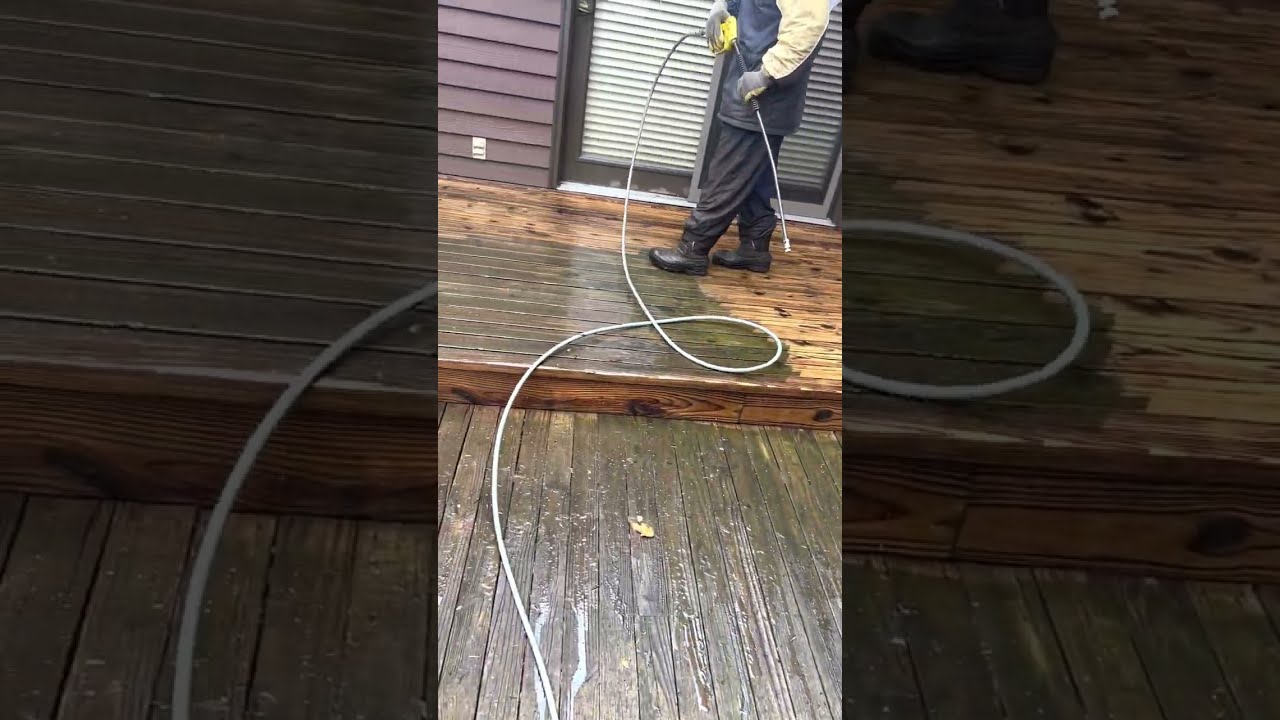
Many homeowners reach for a broom, a bucket of bleach or a hardware store pressure washer. While these can provide a temporary improvement, they come with drawbacks:
- Surface damage: Excessive pressure can gouge concrete, blast sand from paver joints and strip sealants.
- Quick regrowth: Cleaning only the visible surface without treating the algae at its source means the slime often returns within weeks.
- Garden and waterway impact: Harsh chemicals can harm lawns, plants and pets, and runoff can enter stormwater drains that flow to local creeks and the Brisbane River.
- Safety risks: Cleaning wet, slippery surfaces and working on ladders or steep driveways can cause the very accidents you are trying to avoid.
What Effective Path Treatment Looks Like
A professional approach generally combines several steps rather than relying on pressure alone:
- Inspection: Identifying the surface type, the source of moisture and the extent of growth or damage.
- Soft washing or controlled pressure cleaning: Using appropriate pressure and biodegradable or targeted treatments to kill algae and mould at the root.
- Rinsing and runoff control: Managing wastewater responsibly to protect gardens and stormwater systems.
- Sealing or anti-slip treatment: Applying a quality sealer or slip-resistant coating where appropriate to improve traction and slow regrowth.
- Ongoing maintenance plan: Scheduling follow-up cleans based on exposure, shade and use.
Practical Prevention Tips for Southern Brisbane Homes
- Trim overhanging branches and vegetation to let sunlight and airflow reach paths.
- Clear leaf litter and debris regularly, as decomposing organic matter feeds algae.
- Check gutters and downpipes so water is not overflowing onto paths.
- Fix drainage problems where water pools on or beside paved areas.
- Install anti-slip strips or treads on steps and ramps.
- Schedule a professional clean at least once a year, and more often for shaded or high-traffic areas.
- Use outdoor mats at entrances to improve grip during wet weather.
Know the Warning Signs
It is time to act if you notice any of the following: green or black discolouration, a slippery feel underfoot after rain, a musty smell near paths, moss growing in paver joints, or visitors commenting on how slick a surface is. These early signs are far easier and cheaper to resolve than the damage and risk that follow months or years of neglect.

Protect Your Family, Your Property and Your Wallet
Slippery paths are one of the most overlooked hazards around Brisbane homes, yet they are among the most preventable. Timely cleaning, appropriate sealing and sensible drainage and vegetation management protect your family and visitors, help you stay on the right side of your insurance and legal responsibilities, and preserve the value of your outdoor surfaces. If your paths, steps or driveway are looking green, stained or feel unsafe underfoot, contact a local southern suburbs exterior cleaning specialist for an assessment. Addressing the problem now costs far less than dealing with the consequences later.
Brisbane Southside Pressure Cleaning
(07) 3179 6111